

Wheel welding and straightening can sometimes restore a damaged wheel, but safety depends on the type of damage, the wheel material, and the skill of the technician. A small bend may be repairable, while cracks, severe buckling, or damage near critical mounting areas can make replacement the safer choice. This guide explains what to check before driving, when repair may be suitable, and how to make safer decisions after wheel damage.
In most cases, driving with a buckled wheel is not a safe long-term choice, and it may not be safe even for a short trip if the vibration is severe, the tyre is losing air, or the car pulls to one side. Many people search “is it safe do drive with buckled wheel” after hitting a pothole or kerb, but the practical answer is simple: get the wheel inspected before normal driving continues. A buckled wheel can affect steering, braking, tyre wear, suspension parts, and overall vehicle control.
If you must move the vehicle, keep speed low, avoid motorways, and drive only to a trusted repairer or tyre shop if the wheel still holds air and the car feels controllable. If there is visible cracking, a rapid air leak, heavy wobbling, or metal rubbing, stop driving and arrange recovery instead.
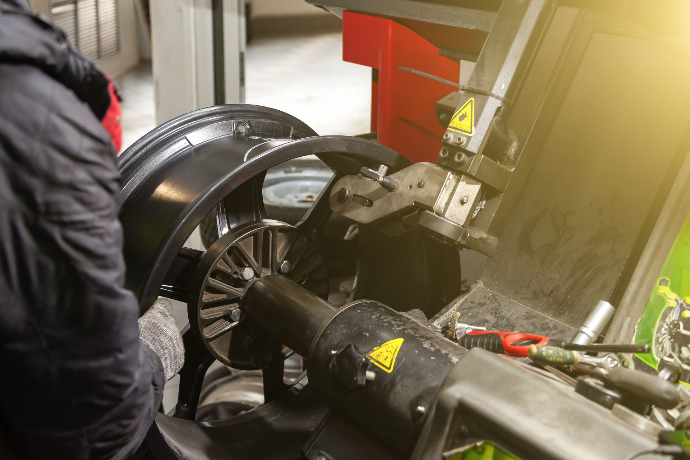
Repair is not always the safest option
A professional may advise replacement rather than repair if the damage affects the wheel’s structure. This is especially important when the bend or crack is close to the hub, spokes, bolt holes, or bead seat where the tyre seals against the rim. Damage in these areas can compromise strength or cause ongoing air loss.
Use this checklist before approving a repair:
- Ask what type of wheel you have: steel and alloy wheels respond differently to straightening and welding.
- Check for cracks: a bent wheel without cracks is often less concerning than a cracked one.
- Inspect the tyre too: sidewall bubbles, cuts, or uneven wear can make the vehicle unsafe even if the wheel is repaired.
- Request balancing after repair: a straightened wheel still needs correct balancing to reduce vibration.
- Confirm leak testing: any welded wheel should be checked to ensure the tyre holds pressure.
- Consider replacement for severe damage: safety should come before saving a damaged rim.
Vehicle safety checks after a wheel impact
Wheel damage rarely happens alone. A hard pothole strike or kerb impact can also affect tyres, alignment, wheel bearings, steering components, and suspension. Basic vehicle safety checks after an impact should include tyre pressure, visible tyre condition, steering feel, braking response, and whether the car tracks straight on a level road.
If the steering wheel shakes, the vehicle pulls, or there is a new knocking sound, book an inspection. These driving safety measures help prevent a small wheel problem from becoming a larger handling issue.
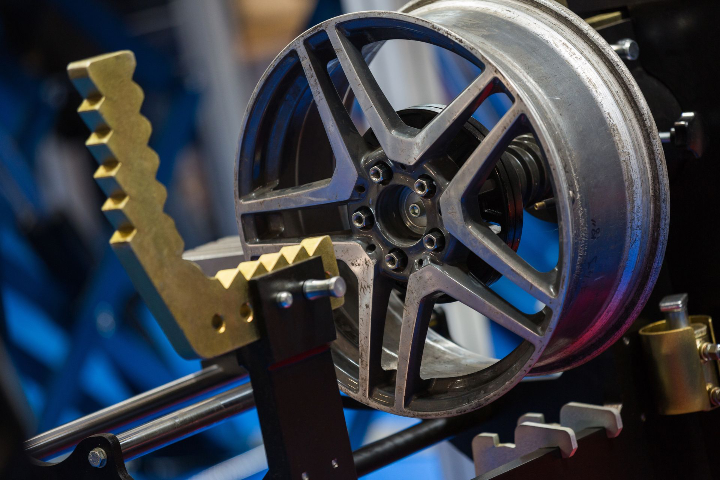
Safe driving practices after repair
After a wheel has been straightened or welded, pay attention to how the car feels. Start with a short local drive, listen for unusual noises, and check tyre pressure again after the wheel has cooled. If vibration returns or pressure drops, stop using that wheel until it is rechecked.
Good safe driving practices also mean avoiding known potholes where possible, slowing down on rough roads, and checking wheels and tyres regularly. A repaired wheel should not be treated as indestructible; it should be monitored like any other safety-related component.
The safest takeaway
Wheel welding and straightening can be safe when the damage is suitable, the work is done by a qualified specialist, and the wheel passes proper checks afterward. However, not every buckled or cracked wheel should be repaired. When in doubt, choose inspection first, replacement when advised, and safety over convenience every time.